
Art Of Zoo
Every animal has a story worth capturing. Art Of Zoo is the place where photographers, wildlife enthusiasts, and zoo visitors come together to share that passion through images, ideas, and a genuine love for the creatures we share this planet with.
What Is Art Of Zoo?
Art Of Zoo is an animal photography community and wildlife art platform built for everyone who loves capturing animals through a lens. It covers zoo photography, wildlife photography, conservation imagery, and wildlife art in one place. Whether you are visiting a local zoo with a smartphone or spending weeks in a field hide waiting for a Bengal tiger to emerge at dawn, this platform has guides, tools, and a community built around the same passion.
The platform centres on a free animal photo ideas generator, practical photography guides, and honest comparisons of the best communities to share your work. Everything here is written by and for people who genuinely care about animals and the photographs that bring them closer to the rest of the world.


Art Of Zoo Animal Photo Ideas Generator
Stuck on your next animal photography project? The generator below creates unique photo ideas and creative concepts based on the animal, location, and mood you choose. No account needed, no sign up required.
Here’s how you can use it:
- Pick an animal from the drop down menu.
- Select a setting, for example zoo enclosure, wild habitat, underwater, and aerial.
- Choose a mood from documentary to artistic, and Hit Generate My photo Idea.
The generator produces a unique photography concept and composition idea instantly.
Use it before a zoo visit to plan your shots or after a shoot to find fresh creative direction for your next project.
For a full walkthrough of every feature, the Art Of Zoo photo ideas generator guide covers everything step by step.
Animal Photo Ideas Generator
Select your animal, setting, mood and time of day to receive a tailored photography concept instantly.
Your photography concept will appear here
Art Of Zoo Features
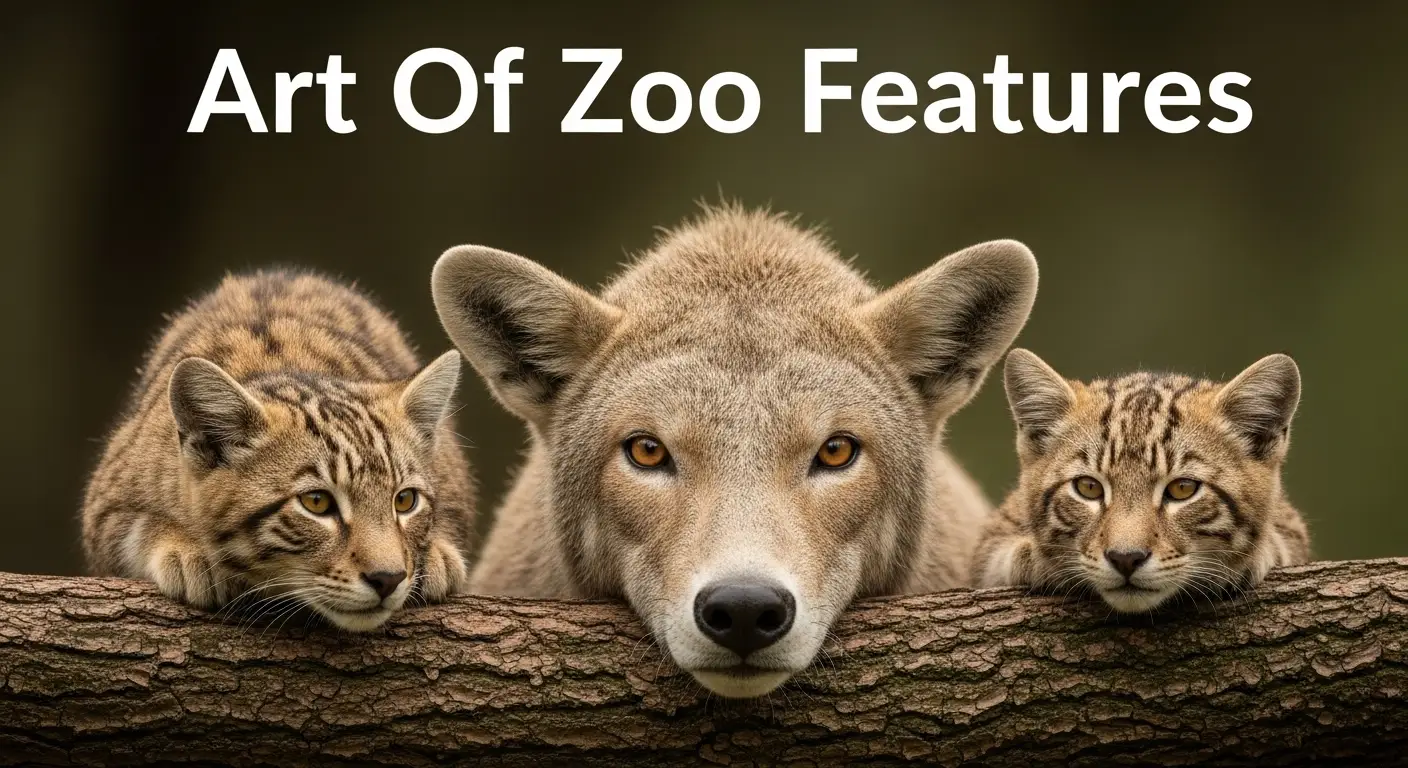
Art Of Zoo brings together creative tools, practical guides, and community resources for animal photographers at every level. The table below shows the core features:
| Feature | What It Does |
| Animal Photo Ideas Generator | Creates unique photography concepts and composition ideas |
| Zoo Photography Guides | Step by step guides for zoo enclosure photography |
| Wildlife Photography Guides | Field techniques for natural habitat photography |
| Conservation Photography Section | How photography supports global wildlife conservation |
| Species Spotlights | In depth features on the most photographed animals |
| Community Comparisons | Honest comparisons of animal photography platforms |
| Equipment Guides | Camera and lens recommendations for animal photography |
Why Animal Photography Matters in Art Of Zoo Community
Art Of Zoo was built on the belief that every animal photograph has the power to change how people see the natural world. Photography is the most accessible form of wildlife advocacy that exists. Here is why it matters:
- A single wildlife photograph shared widely can shift public opinion on a conservation issue faster than a scientific paper
- Camera traps and remote imaging have revolutionised how researchers track endangered species including the snow leopard, the Bengal tiger, and the Iberian lynx
- Zoo photography humanises captive animals for visitors and builds the emotional connection that drives conservation donations and policy support
- Conservation photographers like Beverly Joubert and Paul Nicklen have brought the plight of polar bears, mountain gorillas, and ocean ecosystems to global audiences through images alone
- The Wildlife Photographer of the Year competition organised by the Natural History Museum in London draws over 60,000 entries annually from more than 100 countries
- Images of endangered species including the pangolin, the Iberian lynx, and the snow leopard have directly supported fundraising and awareness campaigns that contributed to their conservation recovery
The World’s Most Photographed Animals on Art Of Zoo
These are the species that inspire the most camera activity across zoo visits, wildlife expeditions, and conservation campaigns in 2026.

1. Iberian Lynx
Once nearly extinct with fewer than 100 individuals surviving, the Iberian lynx is now one of conservation photography’s most celebrated subjects. Found on the Iberian Peninsula in Spain and Portugal, their spotted reddish brown fur and black tufted ears make them instantly recognisable through a telephoto lens. Josef Stefan’s 2026 Wildlife Photographer of the Year winning image brought this species to global attention.

2. Polar Bear
The defining animal of Arctic vulnerability and climate change photography. Svalbard archipelago in Norway and Hudson Bay in Canada produce the most compelling polar bear images. A mother resting with cubs gathered around her in the snow is one of the most emotionally powerful compositions in all of wildlife photography.

3. Bengal Tiger
India’s tiger reserves — Similipal, Ranthambore, and Bandhavgarh — are the world’s premier locations for big cat photography. Active at dawn and dusk, Bengal tigers reward photographers who arrive early and stay patient through the golden hour. Prasenjeet Yadav’s image of the rare pseudo-melanistic tiger T12 in Similipal is one of the most celebrated wildlife photographs of 2026.

4. Flamingo
Flamingos photograph spectacularly at scale. Hundreds of lesser flamingos gathered in shallow pink tinted waters against a backdrop of power lines in Walvis Bay, Namibia produced one of the most striking conservation images of 2026. The contrast between natural elegance and human infrastructure gives flamingo photography a storytelling quality that single animal portraits rarely match.

5. Snow Leopard
One of the most elusive and most photographed of all big cats precisely because every image feels earned. Camera traps in the high altitude ranges of the Himalayas, the Tibetan Plateau, and Central Asian mountain ranges have produced the most intimate portraits of this ghostly species that field photography rarely achieves.

6. Mountain Gorilla
Uganda’s Bwindi Impenetrable Forest and Rwanda’s Volcanoes National Park are the primary locations for mountain gorilla photography. The proximity permitted during gorilla trekking — often within metres of habituated family groups — produces portraits of extraordinary intimacy that no other great ape photography experience can replicate.
A full species by species guide with photography tips for each animal is on the most photographed animals page.
How to Photograph Animals — From Zoos to the Wild
Great animal photography starts before the camera comes out. Understanding the animal, the light, and the environment produces photographs that feel alive rather than recorded.
At the zoo, position yourself at eye level with the animal, use a wide aperture to blur barriers, and visit the same enclosure multiple times across different times of day. Animal behaviour shifts dramatically between morning feeding and afternoon rest.
In the wild, patience is the only skill that matters more than technique. Josef Stefan spent hours in a hide watching an Iberian lynx play with its prey before capturing the image that won the Wildlife Photographer of the Year 2026 People’s Choice Award. Prasenjeet Yadav spent months setting camera traps in Similipal Tiger Reserve before photographing the rare pseudo-melanistic tiger T12.
The full step by step guide covering every technique for both zoo and wildlife photography is on the animal photography guide.
Zoo Photography vs Wildlife Photography — What Is the Difference?
Zoo photography gives you reliable access to animals you would never encounter in the wild. Wildlife photography gives you something no enclosure can — wildness. The unmanaged unpredictability of an animal living its own life in its own habitat produces photographs with an emotional quality that the most technically accomplished zoo image rarely matches.
The best animal photographers move between both. Zoo photography sharpens technique and builds species knowledge. Wildlife photography tests everything and adds the dimension of genuine encounter.
The full comparison covering techniques, equipment, ethics, and which discipline suits different photographers is on the zoo vs wildlife photography page.
Conservation Photography — When Art Meets Activism

Conservation photography sits at the intersection of wildlife art and environmental advocacy. It uses the visual language of photography to tell stories that numbers and scientific reports cannot tell on their own.
The pangolin orphaned by poachers being comforted with a blanket at a rescue centre in South Africa. The mountain of wire snares confiscated by rangers in Uganda. The sun bear foraging in a campsite because its natural habitat has been disrupted by human expansion. These are not just beautiful photographs. They are arguments, evidence, and calls to action.
The Wildlife Photographer of the Year competition has consistently recognised conservation photography as a distinct and vital discipline. Over 60,000 entries from 113 countries in 2026 reflected how globally photographers have embraced the dual role of artist and advocate. The full guide to conservation photography is on the conservation photography page.
Animal Photography Tips by Art Of Zoo
Good animal photography comes down to knowing your subject, reading the light, and having the patience to wait for the moment that makes the image. Whether you are at a zoo enclosure or deep in a wild habitat, these principles apply across every species and every setting:
- Shoot at eye level — getting down to the animal’s eye level transforms a snapshot into a portrait. It creates intimacy and removes the downward angle that makes most casual animal photos feel flat
- Use a wide aperture — f2.8 to f5.6 throws backgrounds and barriers out of focus, isolating the animal and giving your image the clean professional look that separates it from holiday snapshots
- Learn the behaviour before the shoot — an animal photographer who understands feeding times, territorial patterns, and movement habits will always outperform one who simply reacts to what appears
- Golden hour is non negotiable — the warm directional light of the hour after sunrise and before sunset adds dimension, warmth, and depth to animal portraits that midday light cannot produce
- Anticipate rather than react — the decisive moment in animal photography almost always passes before you can react to it. Watch the animal, learn its rhythms, and be ready before the moment happens
- Use continuous shooting mode — animal movement is unpredictable. Burst mode captures the sequence and gives you the single frame where everything aligns
- Respect the animal above the image — no photograph is worth stressing a wild animal, disturbing a nesting bird, or crowding a zoo enclosure. The best animal photographers consistently prioritise animal welfare over composition
The full Art Of Zoo photography tips guide with detailed technique breakdowns for every scenario is on the Art Of Zoo photography tips page.
Art Of Zoo Alternatives
Are you looking for other animal photography communities alongside Art Of Zoo? The animal photography community landscape spans platforms built purely around photography craft and others that combine photography with conservation advocacy and species education. The table below gives an overview before the full comparison on the community comparison page.
| Platform | Focus | Account Required | Best For |
| Art Of Zoo | Zoo and wildlife photography, tools, guides | No for tools | Animal lovers who want guides, tools, and community |
| iNaturalist | Species identification and biodiversity | Yes | Photographers interested in citizen science |
| NaturesOne | Wildlife photography community | Yes | Serious wildlife photographers |
| Flickr | General photography including wildlife | Yes | Portfolio building with community discovery |
| 500px | Professional photography community | Yes | High quality wildlife photography and licensing |
| Wildlife Photographer of the Year | Annual competition | Entry fee | Competitive wildlife photographers |
Frequently Asked Questions (FAQs)
art of the zoo, the art of zoo, zoo of art, art of zoo porn, art of zoo xxx, art of zoo horse, art of zoo videos, art of zoo sex, art of zoo dog, art of zoo gay, art of zoo hd, art of zoo anal, art of zoo creampie, gay art of zoo, art of zoo video, art of zoo full videos, art of zoo meaning, art of zoo porn videos, art of zoo free, art of zoo cupcake, art of zoo gif, art of zoo tube, art of zoo blonde, art of zoo ivana, art of zoo dog sex, cupcake art of zoo, xxx art of zoo, art of zoo vixen, art of zoo horse porn, art of zoo x, art of the zoo xxx, vixen art of zoo, art of zoo beastiality, art of zoo compilation, art of the zoo porn, art of zoo website, art of zoo teen, art of zoo pig, art of zoo .com, porn art of zoo, new art of zoo, videos de art of zoo, art of zoo., art of zoo porno, art of zoo official, art of zoo bestiality, art of zoo xx, art of zoo dog porn, art of zoo ztube, art of zoo lise, the art of the zoo, art of zoo latina, art of zoo blowjob, art of zoo dog fuck, art of zoo stone pony, art of zoo telegram, new art of zoo videos, art of zoo desert storm, art of zoo fuck, art of zoo vids, art of zoo new, art of zoo site, art of zoo full, art of zoo yasmin, the art of zoo xxx, art of zoo nude, yasmin art of zoo, ivana art of zoo, art of zoo full video, art of zoo por, art of zoo alison, art of zoo nsfw, lise art of zoo, art of zoo boar, art of zoo asian, art of zoo r34, art of zoo online, art of zoo tubes, art of zoo horses, sonya art of zoo, art of zoo missionary, art of zoo nana, ebony art of zoo, art of zoo project desert storm, art of zoo sam, art of zoo hun, art of zoo cum, art of zoo leaked, art of zoo latest, art of zoo knot, art of zoo movies, art of zoo porn horse, art of zoo ebony, the art of zoo porn, art of zoo zoofilia, art of zoo wife, art of zoo com, art of zoo gifs, art of zoo threesome, nana art of zoo, art of zoo mare, free art of zoo, art of zoo free videos, art of the zoo meaning, art of zoo leaks, art of zoo pron, new art of zoo porn, sam art of zoo, art of zoo pamela, art of zoo pirn, art of zoo comp, ariel art of zoo, art of zoo cat, zoo of art porn, art of zoo. com, art of zoo tiktok, art of the zoo tiktok meaning, zoo of art xxx, sex art of zoo, art of zoo acadia, jadore – art of zoo – yasmin, art of zoo new videos, art of zoo ariel, art of zoo sonya, art of zoo big ass, art of zoo raven, art of zoo 4k, art of zoo sex videos, asian art of zoo, art of zoo male, mariela art of zoo, porno art of zoo, miss f art of zoo, art of zoo 2025, art of zoo female dog, art of zoo dogs, zoo of the art, art of zoo dolphin, art of zoo zumi, art of zoo models, art of zoo animal sex, raven art of zoo, art of zoo riding, art of zoo horse sex, art of zoo leak, art of zoo unimportant, boar corps art of zoo, 2025 art of zoo porn – fishnet milf, art of zoo brandi, art of zoo horse creampie, art of zoo free porn, free art of zoo videos, art of zoo bj, art of zoo deepthroat, dog porn art of zoo, art of zoo beastiality porn, art of zoo dog anal, bestiality porn art of zoo, art of zoo beastiality porn, art of zoo dog anal, bestiality porn art of zoo, art of zoo dulce, art of zoo knotting, art of zoo tigerlily, art of zoo orgasm, art of zoo x video, art of zoo xxx videos, art of zoo porm, art of zoo project desert storm porn, art of zoo donna, art of zoo session, art of zoo free movies, art of zoo horse cock, art of zoo shantal, art of zoo bdsm, art of zoo simone, veronica silesto art of zoo, new art of zoo video, art of a zoo, art of zoo cowgirl, art of zoo pregnant, art of zoo p, www art of zoo, art of zoo xnxx, art of zoo porn compilation, art of zoo project grindhound, zumi art of zoo, art of zoo dog pussy, art of zoo pass the peach, anna art of zoo, art of zoo anal porn, the art of zoo horse, art of the zoo website, art of zoo footjob, art of zoo horse xxx, zoo of art meaning, art of zoo cow

Jacob Feder
Jacob is the voice behind Art Of Zoo. He is sharing real-life experiences and stories from his time working with animals in South Florida. With a hands-on approach and a passion for wildlife, he brings readers closer to the day-to-day side of animal care, behaviour, and unique encounters. His content focuses on giving a direct, personal perspective that feels real, unfiltered, and easy to follow.